
Why Your Business Needs a Professional Website
In today’s digital economy, your website is often the first interaction customers have with your business. Before they call, visit, or make a purchase, they look you up online. If your website looks outdated, slow, or unprofessional—or worse, doesn’t exist—you’re likely losing trust, credibility, and revenue without even realizing it.
A professional website is no longer just a digital brochure. It’s a core business asset that supports branding, marketing, sales, and long-term growth.
What Defines a Professional Website?
A professional website is purpose-built for your business goals. It’s not just visually appealing, but strategically designed to guide visitors, communicate value, and convert traffic into leads or customers.
A truly professional website includes:
- Clear brand identity and messaging
- Fast loading speed and mobile responsiveness
- User-focused structure and navigation
- SEO-ready architecture
- Strong security and reliability
It reflects your business seriousness and positions you as a trusted provider in your market.
First Impressions Happen Online
Studies consistently show that users form an opinion about a business within seconds of visiting its website. A poorly designed site creates immediate doubt—regardless of how good your product or service actually is.
A professional website:
- Builds instant credibility
- Signals reliability and trust
- Encourages users to explore further
In contrast, using outdated templates or free builders often communicates the opposite, even unintentionally.
Your Website Is Your Digital Sales Engine
Unlike social media profiles or third-party platforms, your website is fully owned and controlled by your business. It works for you 24/7, presenting your offerings, answering questions, and guiding users toward action.
For example:
- Service businesses generate inquiries through contact forms and landing pages
- E-commerce brands convert visitors into buyers through optimized product pages
- B2B companies educate prospects and support longer sales cycles
A professional website aligns design, content, and functionality to support these outcomes.
SEO and Visibility Depend on Professional Development
Search engines favor websites that are well-structured, fast, secure, and user-friendly. Many businesses invest in SEO but overlook the fact that poor website foundations limit ranking potential.
A professionally developed website supports SEO by:
- Using clean, crawlable code
- Structuring content correctly with headings and internal links
- Optimizing for mobile-first indexing
- Improving page speed and user experience
This is where businesses often partner with experienced providers like CodeZener, who understand that SEO and web development must work together—not separately—to deliver real results.
Mobile Experience Is No Longer Optional
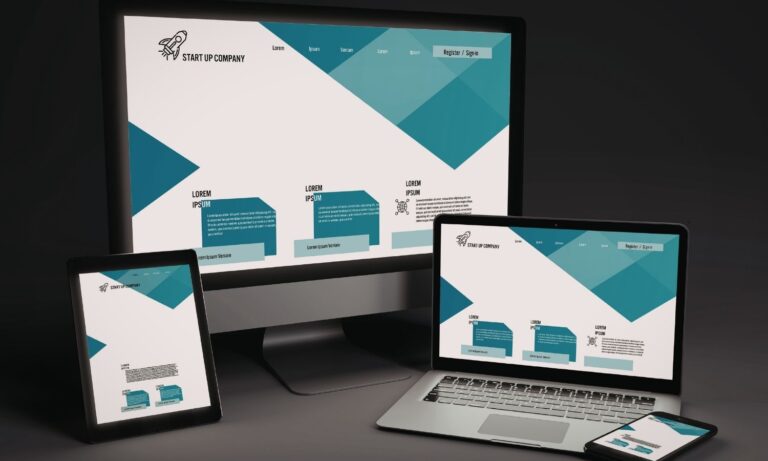
More than half of all web traffic comes from mobile devices. A professional website is designed with responsiveness in mind, ensuring a seamless experience across smartphones, tablets, and desktops.
Mobile-friendly websites:
- Reduce bounce rates
- Improve conversions
- Rank better on search engines
If users have to zoom, scroll awkwardly, or wait too long for pages to load, they will leave—often permanently.
Security Builds Customer Confidence
Security is a major concern for users, especially when sharing personal data or making online payments. A professional website includes essential security measures such as SSL certificates, secure hosting, and regular updates.
Beyond protection, visible security signals increase trust:
- HTTPS connections
- Secure checkout processes
- Data protection compliance
These factors are critical for industries like e-commerce, healthcare, and financial services.
Scalability for Future Growth
Many businesses start small but plan to grow. A professional website is built with scalability in mind, allowing you to:
- Add new services or products
- Integrate CRM, payment gateways, or automation tools
- Support higher traffic volumes without performance issues
Cheap or rushed websites often require complete rebuilding later, costing more time and money in the long run.
Website vs Social Media Presence
Some businesses rely solely on social media pages, assuming they replace the need for a website. While social platforms are valuable marketing channels, they don’t offer ownership, flexibility, or long-term stability.
Your website:
- Is fully controlled by your business
- Isn’t affected by platform algorithm changes
- Serves as the central hub for all digital marketing efforts
Social media should drive traffic to your website—not replace it.
Professional Websites Increase Conversion Rates
Design is not just about aesthetics. Strategic layout, clear calls-to-action, and intuitive navigation significantly influence user behavior.
Professional websites are designed to:
- Guide users toward specific actions
- Reduce friction in the customer journey
- Improve lead quality and conversion rates
Small improvements in conversion can lead to significant revenue growth over time.
Final Thoughts
A professional website is one of the most important investments a business can make in the digital age. It builds trust, supports marketing efforts, improves visibility, and creates a strong foundation for long-term growth.
Whether you’re launching a new business or upgrading an existing one, a professionally designed website positions your brand to compete—and win—in an increasingly competitive online landscape.